







Slide
Slide
Slide
banner Gazzetta Italia_1068x155
Bottegas_baner
baner_big
Studio_SE_1068x155 ver 2
Baner Gazetta Italia 1068x155_Baner 1068x155
ADALBERTS gazetta italia 1068x155
FA-1013-Raffaello_GazettaItalia_1068x155_v1

Home Blog Page 239

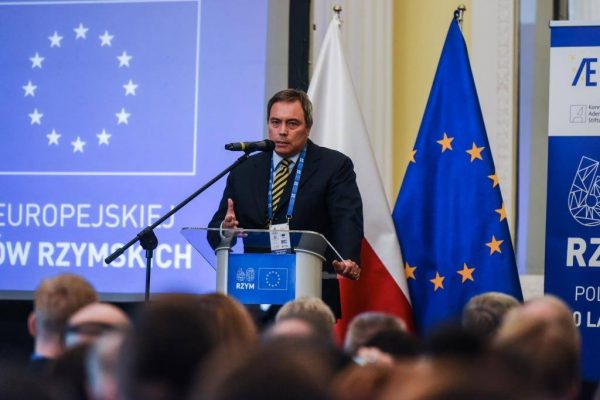
Il discorso dell’Ambasciatore Alessandro De Pedys per i 60 anni dei Trattati di Roma

0
Polonia e Unione Europea: 60 anni dai Trattati di Roma

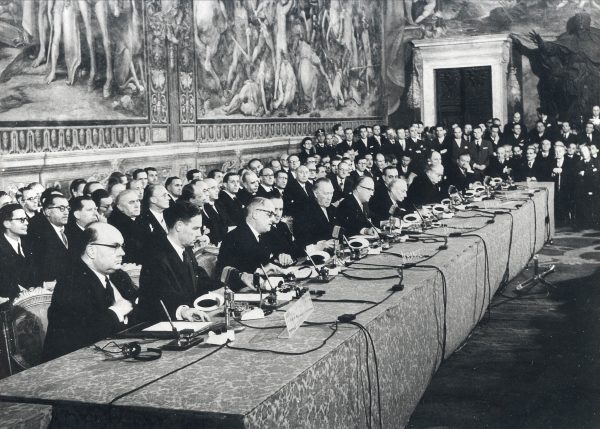
Qui di seguito riportiamo il discorso ufficiale in lingua inglese pronunciato dall’Ambasciatore d’Italia Alessandro De Pedys, in occasione della celebrazione per i 60 anni dalla stipula dei Trattati di Roma. L’importante evento si è tenuto lo scorso 25 marzo presso l’Hotel Bellotto di Varsavia.

President Kwasniewski,
President Komorowski,
Excellencies, distinguished guests, Ladies and gentlemen,

First of all, let me tell you how privileged I feel in addressing such a distinguished audience today. I am sorry I am not good enough to do it in Polish. It is truly a great honour to be with you on this very special anniversary. Thank you for having me. The Treaties of Rome marked a turning point in recent European history. I think we can say this without any rhetoric. On this day, sixty years ago, the six founding nations turned their back on the murderous past of Europe and started to build their future together. After the ravages of two terrible wars, that decision reflected the desire to build a new order in Europe, no longer based on power politics and spheres of influence but on cooperation, shared values and open markets, after the visionary dream of Altiero Spinelli and Ernesto Rossi, depicted in their famous manifesto for a free and united Europe. That idea was so powerful that before long other European nations decided to join the group and the process continued over the years, with new candidates knocking at Europe’s door even today. We enjoyed the legacy of that fateful event: sixty years of peace, prosperity, rule of law, social progress, respect of human rights. Such a result, in my view, can only be disparaged by those who know little history or who choose to forget how the savage rivalry among European nations almost annihilated a whole continent and put an end to its global leadership.

Why then our celebrations have such a somber tone? Shouldn’t we be proclaiming our achievements much more loudly?

The reality is that, notwithstanding everything said before, in recent years Europe has become somewhat dysfunctional. For the first time since 1957 a member State is actually planning to leave the Union and all over the continent dissatisfaction with the European project is record-high. In fact, European citizens accuse their leaders of being indifferent to their problems, deplore the weakening of the social contract between EU institutions and the peoples of Europe. And they are afraid. They are afraid for their jobs, for their welfare and their physical security in the face of a protracted economic crisis, uncontrolled migration, political instability, the constant threat of terrorism. Some even say that the propulsive force of integration that began 60 years ago is at an end.

We may disagree with these opinions but they cannot be easily disregarded, because the concerns of our citizens are entirely legitimate and very real. Something clearly went wrong and it is important for us to understand why, if we want to learn from past mistakes. In my opinion, it is a toxic mix of misguided policies and slow reaction to the changing economic and political environment that brought us to this point. When I speak of misguided policies I am also referring to the fact that too often Europe stopped halfway. Let me give a few examples. With the Stability Pact we removed – or at least strongly limited – the Member States’ capacity to stimulate their economies but we did not replace them with adequate European instruments to be used in times of crisis. With the Schengen Treaty we decided to abolish border controls between the member States but we did not think of replacing them at the same time with a European system of border control; we are doing it now, when it’s clearly far too late. The Banking Union: we agreed that it had to rest on three pillars but we only realized two, thus leaving the system unbalanced, ineffective and in some cases even counterproductive. Again: with the Lisbon Treaty we introduced the figure of the High Representative for Foreign Affairs and Security Policy, but the levers of foreign policy decisions remained firmly in the hands of national governments.

I could go on, but what I want to underline is that the price of this indecisive approach has been paid by our citizens. In the economic field, in the first place: inequalities deepened in our societies, exposed to globalization and to the disruption brought by technological innovation on labour markets. In foreign policy: we suffer the consequences of the vast arc of instability at our borders without being capable of seriously influencing events, while non-European other actors play a major role.

This is because Europe failed to react united to the different challenges. Too often, instead of supporting each other, member states blamed each other. Old fractures and new fault lines appeared. As a result we are divided. There is a North-South division on economic policy; an East West division on migration policies; we are divided on trade policies, on institutional issues, on where and how to project European political and military power. Compromise – which is the glue keeping the Union together – has become more and more difficult to achieve.

In such a situation, it is no wonder that masters of illusion are at play to exploit the legitimate concerns and sentiments of displacement that derive from the ongoing changes of society. They offer a range of deceptively easy, short term solutions to deep rooted problems. It is easy to say “Europe is not working, I want to take back control”. And this is precisely what populist, eurosceptic
movements – left wing and right wing – are telling people all over Europe. Right or left makes no difference, populism is a language, not an ideology. It plays on fear, on the temptation to blame the other, to shut the door and leave the world outside, to seek shelter behind the national borders and find refuge in the national identity.

This phenomenon, the closing of the European mind, is in my view the biggest threat we are facing in Europe. And this is what we must fight, together.

And we can fight it, it is not a lost battle. Isolationism, protectionism, they are clearly not the answer. Honestly, the idea of unshared sovereignty in 2017 is entirely delusional. Outside the EU single European nations would not be any more sovereign than they are today; on the contrary, they would be utterly dependent on decisions made by much bigger actors. Therefore, if we don’t want to be pro-European out of principle, then we must be pro-European out of necessity. The best way to make our voice heard, to protect national sovereignty, is to share it within the Union, that can act as a multiplier of national strength. Besides, I am convinced that this is what the peoples of Europe want – with perhaps the exception of the British who have never overcome their original misgivings. They have not given up on the European ideal but they want a Europe capable of addressing their concerns.

In this perspective, the debate on more or less Europe is irrelevant. We all agree that we want a more efficient Europe, which does not mean moving towards a European super-State or diminishing the nation State, it means pooling common resources in key areas where no single country can have a significant impact. EU action is not supposed to hamper or limit the action of national governments but to
strengthen it.

The priorities are clear. Reduce inequalities while generating prosperity – that means putting the word “growth” back in the Growth and Stability Pact; complete and deepen the single market – energy, digital, services; devise trade and industrial policies that will boost growth and strengthen competitiveness; streamline the decision-making progress in foreign policy and move forward in Security and Defence, in cooperation with our North American allies; agree on a truly European system to manage migration, in both its external and internal dimensions – let me remind you that in recent years 15.000 people, men women and children, were swallowed by the Mediterranean sea, together with their hopes, their aspirations and their dreams.

There is nothing impossible in this, nothing impossible, if we only remember that together we are more than the sum of our parts. Indeed – and I am about to finish – at the roots of all our problems there is the fact that Europeans seem to have lost the feeling of belonging to a community that is larger than the nation State, of truly belonging to a Union. It is this feeling that we need to retrieve. The European Union is an extraordinary achievement, despite its present shortcomings, and we should be proud of it: a unique space of peace, freedom, tolerance and diversity that too many people take for granted. If it is not working properly we need to fix it, not discard it. Appropriate technical solutions – single speed, multispeed, enhanced cooperation – can always be found if the political will is
there, if we are just capable of raising our gaze above the walls that we ourselves have been building.

I wish to conclude by asking one question: is being together and working together still the best way to face the common challenges? I believe the answer to this question is YES. YES, it is worth the effort. YES, it is the right way. YES, it is the right time.

Thank you for your attention.
Polonia Oggi: Concerto in ricordo di Dalida a Varsavia

0

Questa notizia è tratta dal servizio POLONIA OGGI, una rassegna stampa quotidiana delle maggiori notizie dell’attualità polacca tradotte in italiano. Per provare gratuitamente il servizio per una settimana scrivere a: redazione@gazzettaitalia.pl

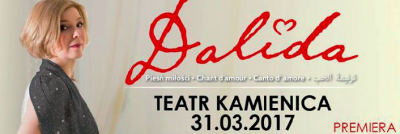
Venerdì prossimo al Teatro Kamienica a Varsavia si terrà un concerto in ricordo della cantante italo-francese Dalida, in occasione del 30° anniversario della sua morte. Il concerto includerà alcuni dei componimenti più belli del suo repertorio, come “Paroles, paroles” e “Besame mucho“, interpretati per l’occasione da Justyna Bacz e dai suoi ospiti Anna Riveiro e Sergio Bettas. Gli arrangiamenti sono firmati da Mariusz Dubrawski, che dirigerà un gruppo di eccellenti musicisti. Tra gli enti patrocinanti dell’evento ci sono Gazzetta Italia e le Camere del Commercio e dell’Industria italiana e francese.

Polonia Oggi

Polonia Oggi: 60 anni dai Trattati di Roma. Celebrazioni presso l’Hotel Bellotto di Varsavia

0
60 anni dai Trattati di Roma: la conferenza di celebrazione all'Hotel Bellotto di Varsavia

Questa notizia è tratta dal servizio POLONIA OGGI, una rassegna stampa quotidiana delle maggiori notizie dell’attualità polacca tradotte in italiano. Per provare gratuitamente il servizio per una settimana scrivere a: redazione@gazzettaitalia.pl

Per celebrare il 60° anniversario dei Trattati di Roma, la Fondazione Amicus Europae Aleksander Kwaśniewski ha organizzato insieme all’Istituto Bronisław Komorowski una conferenza che si terrà domattina all’Hotel Belllotto di Varsavia. Il benvenuto sarà dato ai partecipanti dai presidenti delle rispettive fondazioni, Andrzej Majkowski e Sławomir Rybicki, insieme all’Ambasciatore d’Italia Alessandro De Pedys e a Marek Prawda, capo della delegazione polacca alla Commissione Europea. Seguirà un intervento degli ex Presidenti della Repubblica di Polonia, Aleksander Kwaśniewski e Bronisław Komorowski, e dell’ex Presidente del Parlamento Europeo Pat Cox. Successivamente, si terranno due discussioni su importanti temi che riguardano l’Unione Europea e il nostro mondo. La prima s’intitola “globalizzazione e sovranità nel XXI secolo: come garantire il successo dell’integrazione in un mondo di trasformazioni” e vedrà, tra gli altri, l’intervento dell’ex Ministro degli Esteri polacco Adam Daniel Rotfeld, dell’ex Presidente del Bundestag tedesco Rita Süssmuth e del giornalista e politico italiano Jaś Gawroński. La seconda conferenza s’intitola “tra la crisi dell’euro e la sfida delle migrazioni – la strategia polacca nell’Unione Europea”, alla quale interviene, tra gli altri, Dariusz Rosati, anch’egli ex Ministro degli Esteri polacco. I nomi di alto prestigio istituzionale presenti all’Hotel Bellotto lasciano intendere il valore di questa celebrazione, con l’augurio di festeggiare l’Unione Europea nel migliore dei modi. L’evento è organizzato in collaborazione con la rappresentanza polacca alla Commissione Europea, l’Ambasciata d’Italia a Varsavia, la Fondazione Friedrich Ebert, la Fondazione Konrad Adenauer e la Fondazione polacca Robert Schuman. Anche Gazzetta Italia sarà presente alla conferenza.

Polonia Oggi

Polonia Oggi: Lavoro, che stress!!

0

Questa notizia è tratta dal servizio POLONIA OGGI, una rassegna stampa quotidiana delle maggiori notizie dell’attualità polacca tradotte in italiano. Per provare gratuitamente il servizio per una settimana scrivere a: redazione@gazzettaitalia.pl

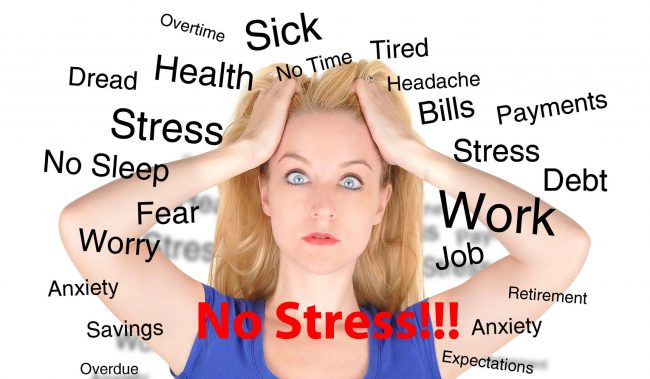
È stato appena pubblicato “The Workforce View in Europe 2017”, una ricerca realizzata da ADP che ha coinvolto circa 10.000 persone appartenenti a differenti settori industriali di otto Paesi UE al fine di monitorare lo stato di salute dei lavoratori. Secondo il report, il 22% dei lavoratori polacchi vive in una condizione di stress quotidiana: tra questi, la maggior parte risulta occupata nel settore distributivo, del marketing e servizi sanitari. Prendendo come riferimento gli 8 stati campione – tra cui Germania, Francia e Spagna – i settori più logoranti risultano essere legati alle vendite al dettaglio e ai servizi sanitari, mentre i più distensivi sono legati al settore informatico e delle telecomunicazioni. Il ‘gentil sesso’ risulta essere il genere maggiormente esposto a tensioni e stress durante l’esercizio della propria attività lavorativa.

Polonia Oggi

Polonia Oggi: Wołyń premiato miglior film agli Oscar polacchi

0
Photo credits: http://pnf.pl/

Questa notizia è tratta dal servizio POLONIA OGGI, una rassegna stampa quotidiana delle maggiori notizie dell’attualità polacca tradotte in italiano. Per provare gratuitamente il servizio per una settimana scrivere a: redazione@gazzettaitalia.pl

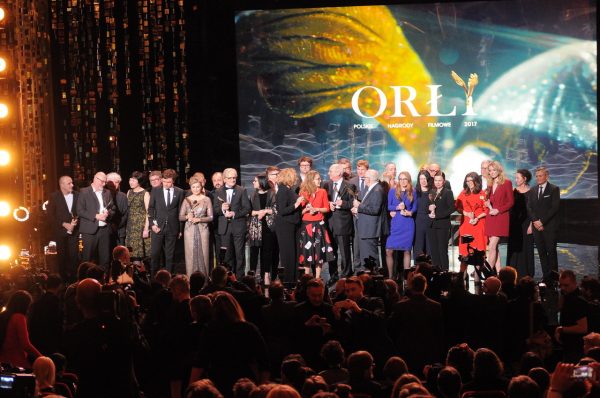
Durante la cerimonia di assegnazione degli Orły, la più importante premiazione cinematografica in Polonia, “Wołyń”, di Wojciech Smarzowski, ha conquistato il titolo di miglior film. Lo stesso Smarzowski ha ottenuto il premio per la miglior regia. Durante la cerimonia, svoltasi al Teatr Polski, il film si è aggiudicato anche altre statuette: miglior scenografia, fotografia, colonna sonora, montaggio, sonoro e costumi. Sono stati premiati anche: Anna Zamecka (“Komunia”) per il miglior documentario; Roberto Bolesto (“Ostatnia Rodzina”) per la miglior sceneggiatura; Andrzej Seweryn e Aleksandra Konieczna (“Ostatnia Rodzina”) come miglior attore e miglior attrice. Il regista Sylwester Chęciński ha invece ricevuto il premio alla carriera.

Polonia Oggi

Polonia Oggi: CONCORSO A PREMI GAZZETTA ITALIA

0

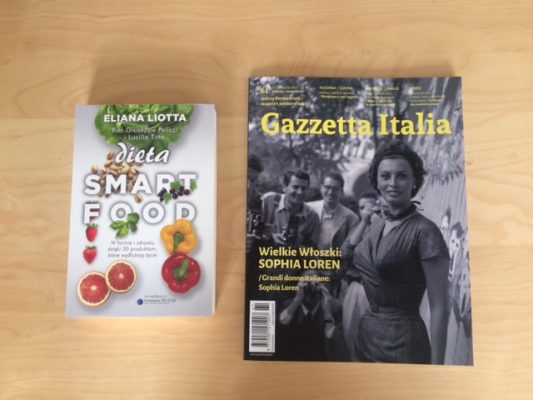
Mercoledì è stata pubblicata la versione polacca del bestseller “La Dieta Smartfood” di Eliana Liotta, in collaborazione con Pier Giuseppe Pelicci e Lucilla Titta edito da Rizzoli e Wydawnictwo MUZA SA. Per l’occasione, mercoledì 22 alle ore 15:00 Gazzetta Italia metterà in palio 5 copie del libro destinate ai lettori più fedeli.

Come partecipare al concorso?
1° condividi il post di Gazzetta Italia di mercoledì 22, ore 15:00 su Facebook
2° rispondi a 1 semplice domanda relativa all’ultima uscita di Gazzetta Italia(n° 61, febbraio/marzo 2017) sotto il post che pubblicheremo per l’occasione.

Come vincere il premio?
Verranno selezionati a estrazione 5 lettori tra coloro che avranno condiviso il post e risposto in maniera corretta alla domanda.
Il concorso terminerà venerdi 24 alle ore 13:00.

Buona fortuna

Polonia Oggi: Retrospettiva a Milano dello scultore Mirosław Bałka

0
“CROSSOVER/S” è la prima retrospettiva italiana di Miroslaw Balka (Varsavia, 1958).

Questa notizia è tratta dal servizio POLONIA OGGI, una rassegna stampa quotidiana delle maggiori notizie dell’attualità polacca tradotte in italiano. Per provare gratuitamente il servizio per una settimana scrivere a: redazione@gazzettaitalia.pl

Mercoledì scorso è stata inaugurata a Milano una mostra che raccoglie 15 opere dell’artista polacco Mirosław Bałka. L’esposizione è allestita all’Hangar Bicocca e contiene sculture, installazioni e video. È la prima retrospettiva in Italia dedicata allo scultore di Varsavia, considerato uno dei maggiori artisti degli ultimi 30 anni. La mostra si intitola “Crossover/s” e sarà aperta fino al 30 luglio. I media italiani sottolineano che Bałka concentra la sua arte sui temi dell’individuo e della collettività, ma anche sulle tragedie storiche che hanno coinvolto la Polonia nel secolo scorso. Bałka è altresì interessato agli avvenimenti odierni che riguardano l’Europa e, infatti, ha dichiarato: “La mostra richiama tutto quello che succede in Europa, con la crisi e lo stato di emergenza. Con questa esposizione possiamo pensare alla storia europea del XX secolo e all’attuale contesto politico”. Lo scultore è nato a Varsavia nel 1958 ed è uno degli artisti polacchi più apprezzati in Italia, dove molte sue opere sono custodite in collezioni pubbliche e private. La mostra di Milano è curata da Vincente Todolì, già direttore della Tate Modern di Londra tra il 2003 e il 2010.

Polonia Oggi

Polonia Oggi: Inaugurazione riuscita per Cinema Italia Oggi

0

Questa notizia è tratta dal servizio POLONIA OGGI, una rassegna stampa quotidiana delle maggiori notizie dell’attualità polacca tradotte in italiano. Per provare gratuitamente il servizio per una settimana scrivere a: redazione@gazzettaitalia.pl

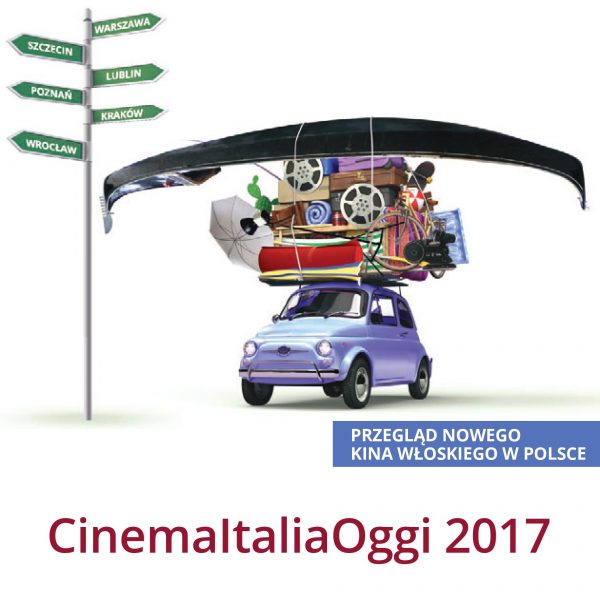
Ieri al cinema Muranów di Varsavia si è tenuta la serata d’apertura della VI edizione del Festival Cinema Italia Oggi. Hanno partecipato l’Ambasciatore Alessandro De Pedys, il direttore dell’Istituto Italiano di Cultura Roberto Cincotta e Monica Moscato dell’Istituto Luce Cinecittà. L’evento è stato condotto dalla giornalista e presentatrice, nonché grande ammiratrice del cinema italiano, Grażyna Torbicka, insieme alla traduttrice e docente di storia del cinema italiano all’Università di Varsavia, Anna Osmólska Mętrak. Ad aprire il Festival è stato il film “Veloce come il Vento” del regista romano Matteo Rovere, presente anche dopo la proiezione per la discussione con il pubblico. Il direttore Cincotta ha sottolineato che quest’anno il Festival è stato organizzato in collaborazione con l’Istituto Italiano di Cracovia e il suo direttore Ugo Rufino. Grazie a questa collaborazione, il cinema italiano oltrepassa il confine di Varsavia per entrare nelle sale di Cracovia, Breslavia, Poznań, Stettino e Lublino. “È molto importante che il Festival Cinema Italia Oggi si espanda per promuovere e valorizzare il nuovo cinema italiano” ha dichiarato Roberto Cincotta. Allo sforzo organizzativo ha contribuito in modo decisivo Cinecittà Luce, facendosi anche da interprete presso importanti distributori italiani della rilevanza di una sfida intesa a promuovere il cinema italiano anche fuori dai tradizionali circuiti di diffusione. Il direttore ha ringraziato in modo particolare anche il cinema Muranów e la distribuzione Gutek Film, per il lavoro svolto a Varsavia e nel resto della Polonia.

Polonia Oggi

Polonia Oggi: Addio a Wojciech Młynarski

0

Questa notizia è tratta dal servizio POLONIA OGGI, una rassegna stampa quotidiana delle maggiori notizie dell’attualità polacca tradotte in italiano. Per provare gratuitamente il servizio per una settimana scrivere a: redazione@gazzettaitalia.pl

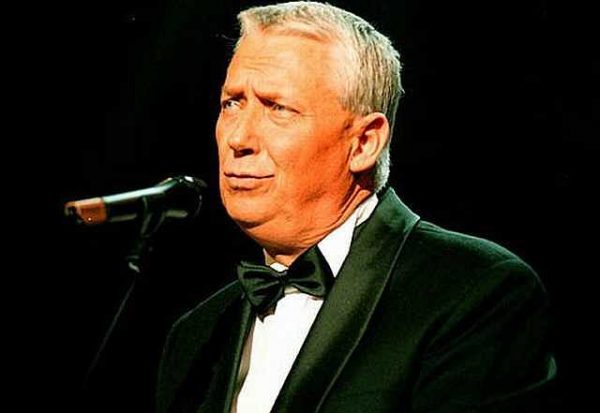
Wojciech Młynarski poeta, scrittore satirico, drammaturgo, sceneggiatore, traduttore, autore di circa 2000 testi di canzoni  si è spento ieri sera alle 20.40 dopo una lunga malattia. Ne ha dato notizia la figlia Paulina Młynarska. I suoi pezzi più celebri sono satire sulla vita quotidiana e sulla politica. “Róbmy swoje“, “W Polskę idziemy“, “Nie ma jak u mamy” e tanti altri brani sono ancora attuali e continuano a essere cantati. Jan Młynarski, figlio di Wojciech, ha ringraziato sulla sua pagina Facebook tutti coloro che sono stati vicini alla sua famiglia negli ultimi mesi e ha detto che chiunque voglia omaggiare suo padre può ascoltare qualche sua canzone. Il 26 marzo prossimo Wojciech Młynarski avrebbe compiuto 76 anni.

Polonia Oggi

Polonia Oggi: Korwin-Mikke sanzionato per le sue frasi sessiste

0

Questa notizia è tratta dal servizio POLONIA OGGI, una rassegna stampa quotidiana delle maggiori notizie dell’attualità polacca tradotte in italiano. Per provare gratuitamente il servizio per una settimana scrivere a: redazione@gazzettaitalia.pl

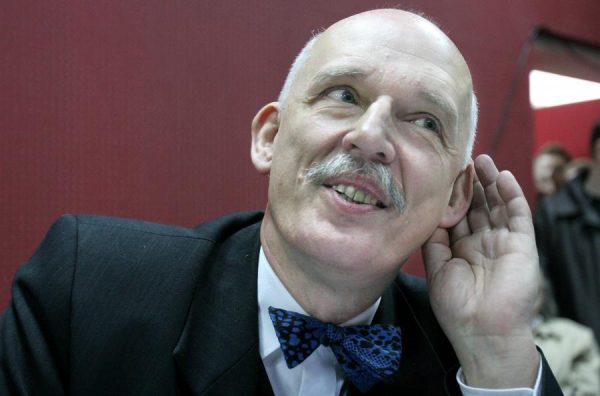
Janusz Korwin-Mikke è stato privato della diaria di europarlamentare ed è stato sospeso per 30 giorni. Non potrà inoltre rappresentare il Parlamento Europeo in delegazioni, conferenze parlamentari o qualsiasi altro foro per il resto dell’anno. L’eurodeputato polacco aveva detto in un suo intervento al Parlamento Europeo che le donne sono “più deboli, più piccole e meno intelligenti” e per questo vanno pagate di meno. La sanzione è stata annunciata dal Presidente del Parlamento Antonio Tajani ed è stata accolta dagli applausi di molti deputati. Nella puntata dell’8 marzo del programma televisivo britannico “Good Morning Britain”, nella quale Korwin-Mikke è stato intervistato, il giornalista Piers Morgan lo ha apostrofato come “porco sciovinista”. L’eurodeputato ha replicato che “le differenze nel quoziente d’intelligenza tra uomini e donne sono provate scientificamente”.

Polonia Oggi